Harnessing the Power of the Sun for a Brighter India

Leading the charge in sustainable solar energy solutions for homes, businesses, and communities across the nation.

Explore Our Solutions

Pioneering a Sustainable Future

SUNGRID RENEWABLES PVT. LTD. is a turnkey solutions provider with a primary focus on the solar energy sector. Headquartered in Indore, This venture leverages our group's strong foundation in delivering high-quality infrastructure projects, marking an important milestone as we expand into the renewable energy sector to contribute to India's sustainable energy goals.

Our team of expert engineers handles all aspects of planning, design, execution, and post-commissioning activities for Solar EPC projects. Responding to market demands, we have expanded into the EV segment to provide charging station infrastructure, starting in Madhya Pradesh and soon expanding to Gujarat and Maharashtra. We also supply a wide range of equipment for Solar Grid Systems, serving industrial, commercial, residential, and municipal clients. We provide support from the inception, through land acquisition, design, detailing, and integration and up to commissioning as a turn-key solution. Our sole focus is helping customers to adopt more and more Green energy technologies to reduce carbon footprint’s & Our passion is to work dedicatedly in field of Renewable Energy to create our Environment more Ecofriendly, Greener, Cleaner and Sustainable for our future Generation..

Why Choose Us?

Experience, expertise, and a commitment to our customers.

Turnkey Solutions

We provide complete end-to-end services, from initial consultation and design to installation and long-term maintenance for all solar and EV projects.

Expert Team

Our experienced team of engineers and experts ensures every project is planned and executed to the highest standards of quality and efficiency.

Future-Ready

We are at the forefront of the green energy revolution, expanding our services to include EV charging infrastructure for a sustainable tomorrow.

Customer-Centric

Our customers are our top priority. We are dedicated to delivering reliable solutions that meet your specific industrial, commercial, or residential needs.

Our Services

We are one of India’s fastest-growing solar EPC companies that constantly strive to deliver solar power solutions efficiently. Our services span from system design and engineering to procurement, construction, and maintenance for both rooftop and ground-mounted projects. Our EPC team ensures quality delivery to residential, commercial, institutional, and Government clients.

OPEN ACCESS

Open Access enables consumers with more than 1 MW connected load to purchase affordable, green power from the open market instead of the local utility. This helps in meeting Renewable Purchase Obligations (RPOs) and reduces energy costs significantly. We assist in inter-state and intra-state open access processes as per CERC/SERC norms.

OPERATION & MAINTENANCE

Our skilled O&M team ensures longevity and efficiency of your solar plant through preventive, corrective, and predictive maintenance.

  • Panel Cleaning
  • Electrical Testing & Mechanical Inspection
  • Vegetation Management
  • Emergency Repairs
  • Health Analysis & Warranty Coordination
  • PR / Availability Guarantees

LIASIONING / APPROVAL SERVICES

We provide end-to-end Liaisoning services for RE project commissioning including CEIG approvals, DISCOM permissions, Grid Connectivity, SLDC synchronization, Net Metering, and RTU installation. With over 700 MW successfully commissioned, our team ensures quick, compliant, and seamless execution.

Detailed Project Report.

Design & Procurement Supports.

Project Management and liaisoning for all Govt. approvals.

CEIG related work for Solar Projects.

O&M and Execution of Power Projects.

Execution of 33KV up to 220 KV Line and Substation for Solar PSS.

Quality Control and Performance Monitoring.

Third Party Inspection for Customer to Services provider.

A strong team of top quality engineers with technology expertise and associated regulatory matters enabling hassle-free deployment of work.

COOPERATION PARTNERS
Tata Power Solar
Adani Solar
Ganesh Green Bharat
Solis
Solex
GoodWe
Sungrow
Growatt
True Power
Polycab
Havells
JSW

Frequently Asked Questions

What is a Solar PV System and how does it work?
PV, short for Photovoltaic, derives its name from the process of converting light (‘photo’) directly into electricity (‘voltaic’). Simply put, a Solar PV system is a power station that generates electricity from sunlight. The main components of a Solar PV system are: Solar Panels or Modules: Solar panels consist of a group of small cells made from semiconductor material. When the sun’s light falls on the modules, it excites the electrons, thereby creating direct current (DC). Solar Inverter: The DC electricity goes into an inverter that converts it into alternating current (AC). We use AC for running our household or office or factory equipment. Storage Battery (optional): The best use of solar energy is to consume it while it is being generated. If the requirement is to store this power and consume it in the non-sunny hours, then solar energy can be stored in batteries for later consumption.
What is the difference between Solar PV and Solar Thermal?
The majority of solar energy, coming to our earth through the sun rays, is in the form of ‘light’ and ‘heat’. A Solar PV system uses the ‘light’ energy and converts it into electricity, which can then be used to run electrical equipment or charge batteries. A Solar Thermal system uses the ‘heat’ energy of the sun where a solar collector captures this heat or thermal energy and uses it to heat water or air.
Does a Solar PV system produce same energy output throughout the day?
Since Solar PV works on the basis of the intensity of sunlight it gets, your solar system typically wakes up at around 6am in the morning and goes to sleep at about 6 or 7pm in the evening. The energy output increases gradually and peaks at around noon and then gradually decreases as the Sun starts setting. But since the solar energy produced integrates either with your existing electrical connection or with your batteries, the running of your electrical equipment is not impacted. Moreover, if your Solar PV system is designed well, all your electrical equipment is totally safe.
What happens on cloudy days?
Solar PV system needs light to generate electricity. If Sunlight is low, as on a cloudy day, the solar system still generates electricity but the generation is lower. This reduced generation, however, may not create any disruptions for you. If you have a grid-connected Solar PV system, electricity will be automatically sourced from the grid in case Solar PV generates less. In case of an off-grid system with battery backup, energy will be sourced from the storage battery.
What if I am not at home?
When you are not at home, your solar system continues to work and run any equipment that may be switched on such as refrigerators, security systems, etc. In case your energy consumption is less than the solar system’s generation, the excess energy will be fed to the grid. To avail this feature, you should opt for Net Metering.
Can solar be my sole energy source?
Technically speaking, yes, if batteries are used. But practically, if grid power is available, then it is recommended to use solar in combination with grid. Solar PV can be integrated with your existing power sources (like grid power, inverter, diesel generator, etc.) in such a manner that the first priority is automatically always given to the solar power to be consumed first. However, if you are using Solar PV for night time usage or in a remote location, it is quite common to have Solar systems which are battery-backed.
Should I reduce my existing sanctioned load if I decide to go solar?
The Sun and therefore solar power is available only during the day. Therefore, to cater to your night time load it is recommended not to reduce your existing sanctioned load.
What are my monthly savings?
Installing a solar PV system should lead to significant savings in your monthly electricity bill. The savings would depend on your location, consumer category and energy consumption pattern. As a thumb rule, the higher your tariff and the proportion of energy consumption during the day, the more are your savings.
What is the life and reliability of a Solar PV System?
Solar PV is a highly proven and reliable technology and have been in use since 1950s. A PV system that is designed, installed, and maintained well will operate for 25 years or even more than 25 years. The Inverters, which are an integral part of a Solar PV system, may need a replacement once in the 25 years lifetime of the system. Moreover, since there are no moving parts (unless you are using tracking devices to move modules tilt with the movement of the Sun), there is practically negligible wear and tear.
Do I get any guarantees or warranties?
The Solar PV modules are backed by suppliers’ guarantee of 25 years or more. In fact, the modules have been known to generate electricity even up to 40 years. Know more about Solar PV system guarantees & warranties.
Do Solar PV panels degrade in performance with time?
Solar panels age with you, though at a much lower pace. It is usual to see a very small degradation in energy output with time which is due to the very nature of the solar module technology. Generally, annual degradation of modules is in the range of 0.3% to 0.5%. However, in the first year of your installation, this degradation may be higher.
How much time does it take to install a solar PV system?
It takes about 2-4 weeks to install a smaller system and about 4-8 weeks for larger systems. However, the actual construction time at the site is much lower since almost half of the time is spent on off-site activities such as design, engineering, procurement, etc. In certain cases, there may be variations to these timelines on account of access to the site, rains, etc.
What should I do to get my site ready for a solar installation?
Not much. You just need to ensure that there is clear access to the site for movement of material and manpower and that your site is clear from any unwanted material. The solar installer may need access to power & water.
Will my power supply be affected during the Solar PV system installation?
No, there will not be any interruption in your power supply.
What factors are important to consider during Solar PV system installation?
Good solar installers follow standard procedures and quality standards. So once you’ve chosen the right installer, you don’t have to worry about supervision. However, it may be a good practice to:
  • Ask for layout drawing and bill of material.
  • Ensure that the delivered material is as per the bill of material, is damage free and is kept at a safe place.
  • Ensure that cables and wires are properly tied and clamped.
What permits & approvals do I need to install a solar PV system?
No permits would be needed, if you are going to install off grid Solar PV system or grid connected system for captive (self) consumption. For net metering and gross metering system, certain permits and approvals are required.

For Net & Gross Metering:
  1. Approval from DISCOM for grid connectivity.
  2. CEIG (Chief electrical inspector to the government of state) approval for the capacity more than 10 KW (This capacity may vary from state to state).
Which Solar PV system is suitable for me?
Depending on your energy consumption pattern (consumption during day vs night), power outage pattern, availability of policies like Net Metering and access to grid power (for rural areas), you can choose between an on-grid and an off-grid Solar PV system. On grid systems are the most commonly used systems and are the least expensive and require very little maintenance. Off-grid systems use batteries which cost significantly more and need high maintenance.
What is an on-grid and an off-grid Solar PV system?
On-Grid: An on-grid system is interconnected with your existing electrical system. The solar energy generated is simultaneously consumed, and if the solar panels are not generating sufficient energy to cater to your consumption, the differential is automatically sourced from the grid. It is also possible to connect the system with batteries, home inverters, diesel generators, etc.

Off Grid: An off-grid system is an independent, battery-backed Solar PV system which is not connected with grid. During daytime, solar energy generated runs your appliances. Any excess energy is stored in the batteries, which can be utilized at night. Off-grid systems are used for standalone applications like traffic & streetlights, billboards, agricultural pumps, telecom towers, rural applications, etc.
How can I use Solar during a power outage?
On-grid Solar PV systems are designed to run with grid power. Therefore the system will not be able to function if grid power is not available. This is a safety feature to avoid feeding power back into the grid while the line-men are working on the grid. If you want power from solar PV system during grid failure, you can choose an inverter that can use other sources of power like diesel generator or batteries etc.
What are the key factors that affect solar power generation?
To ensure that the generation from your Solar PV system is maximized, the following should be kept in mind:
  • Location (Solar Irradiation/ weather conditions)
  • Plant layout
  • Shading and roof orientation
  • System design
  • Equipment quality
  • Operations and maintenance
How do plant layout and system design impact the Solar PV system generation?
Every solar installation is site specific. Therefore, the layout and the design of your Solar PV system has to be determined after a thorough engineering analysis. In this exercise, things like the tilt of the solar panels, the gap between different rows of solar panels, any shadowing objects, specification of solar equipment, cable sizing, arrangement of solar panels, etc. go a long way in ensuring that that your system generation is optimized for the next 25 years.
How often should I clean the solar panels?
Solar Panels do not require much cleaning. Generally it is recommended to wash your panels in 30 to 45 days in summer, 45 to 60 days in winter. Cleaning in rainy season is not required as the rain does all the cleaning for you.

Cleaning of solar panels is as simple as cleaning your car or house windows. Just ensure that you use clean water.
Will my roof be able to bear the weight of a Solar PV system?
A Solar PV system generally weighs 15 to 20 Kg per square meter. This weight can be easily borne by most roofs. Since the life of a Solar PV system is about 25 years or more, do ensure that your roof is in good condition to bear the system’s load over its lifetime.
Will the Solar PV system installation damage my roof/building?
Solar installation methodology is proven and safe. A wide range of installation techniques are available and depending on your roof type a suitable methodology can be adopted.

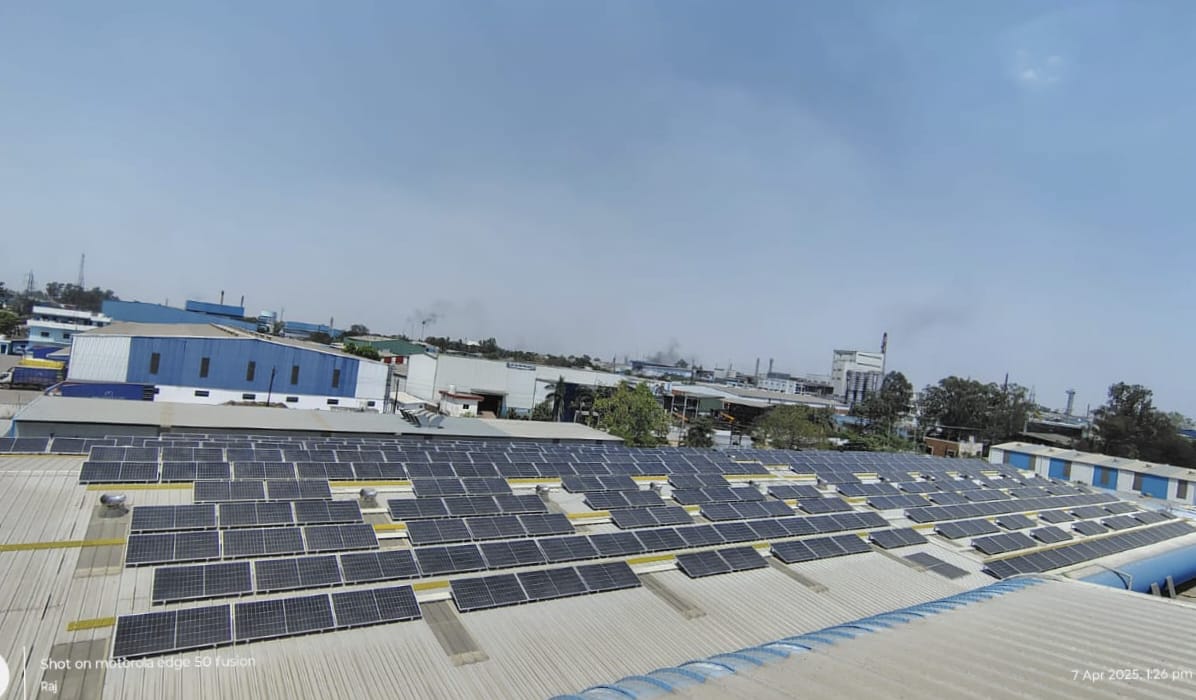
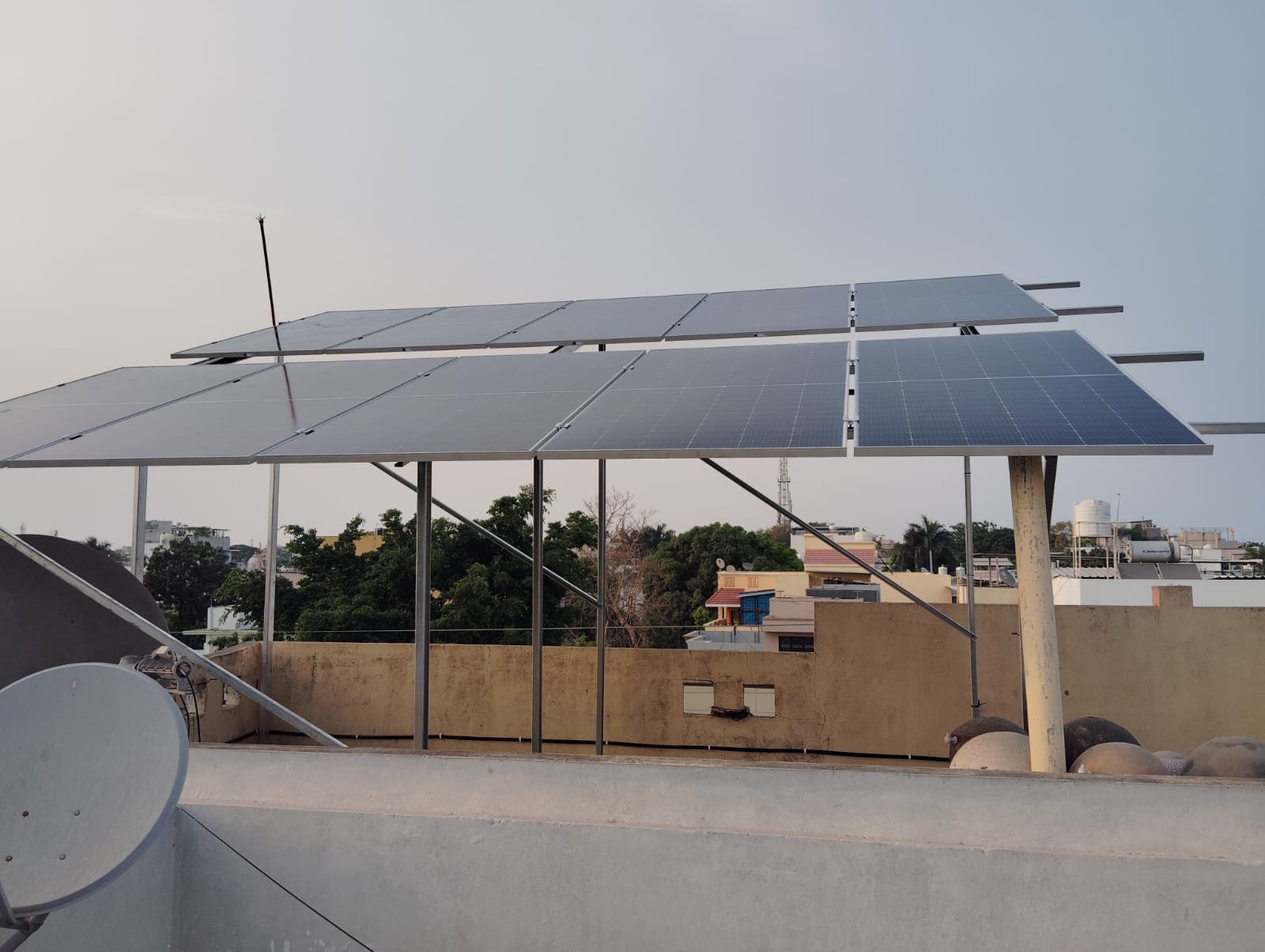
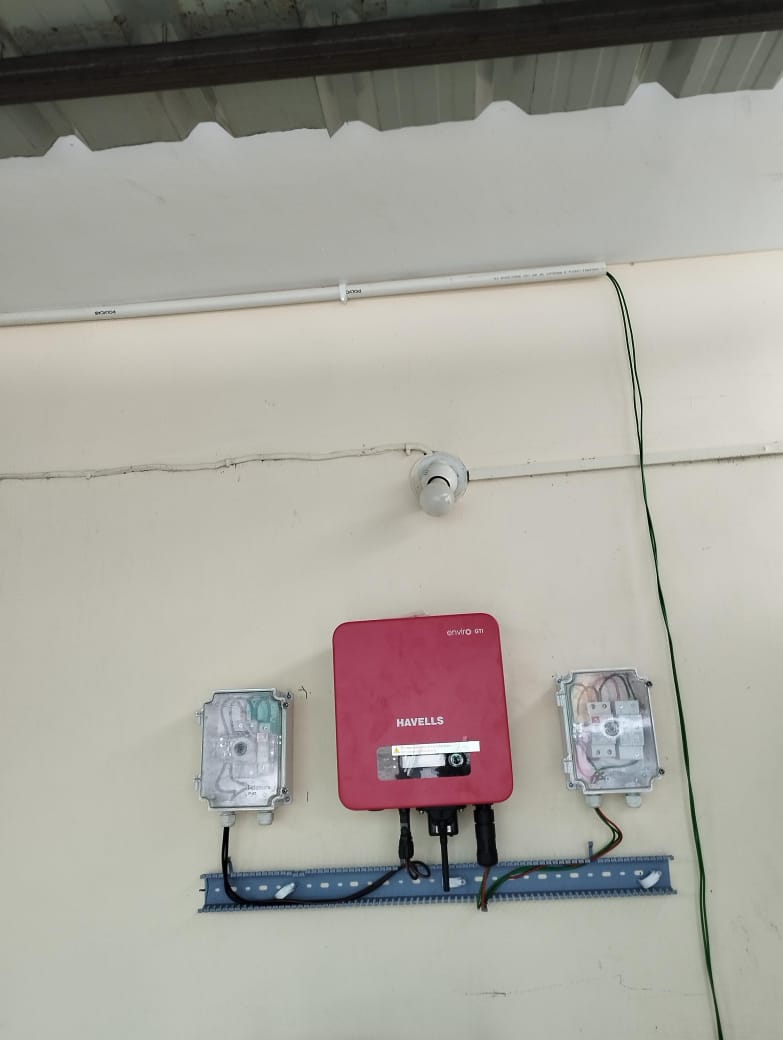
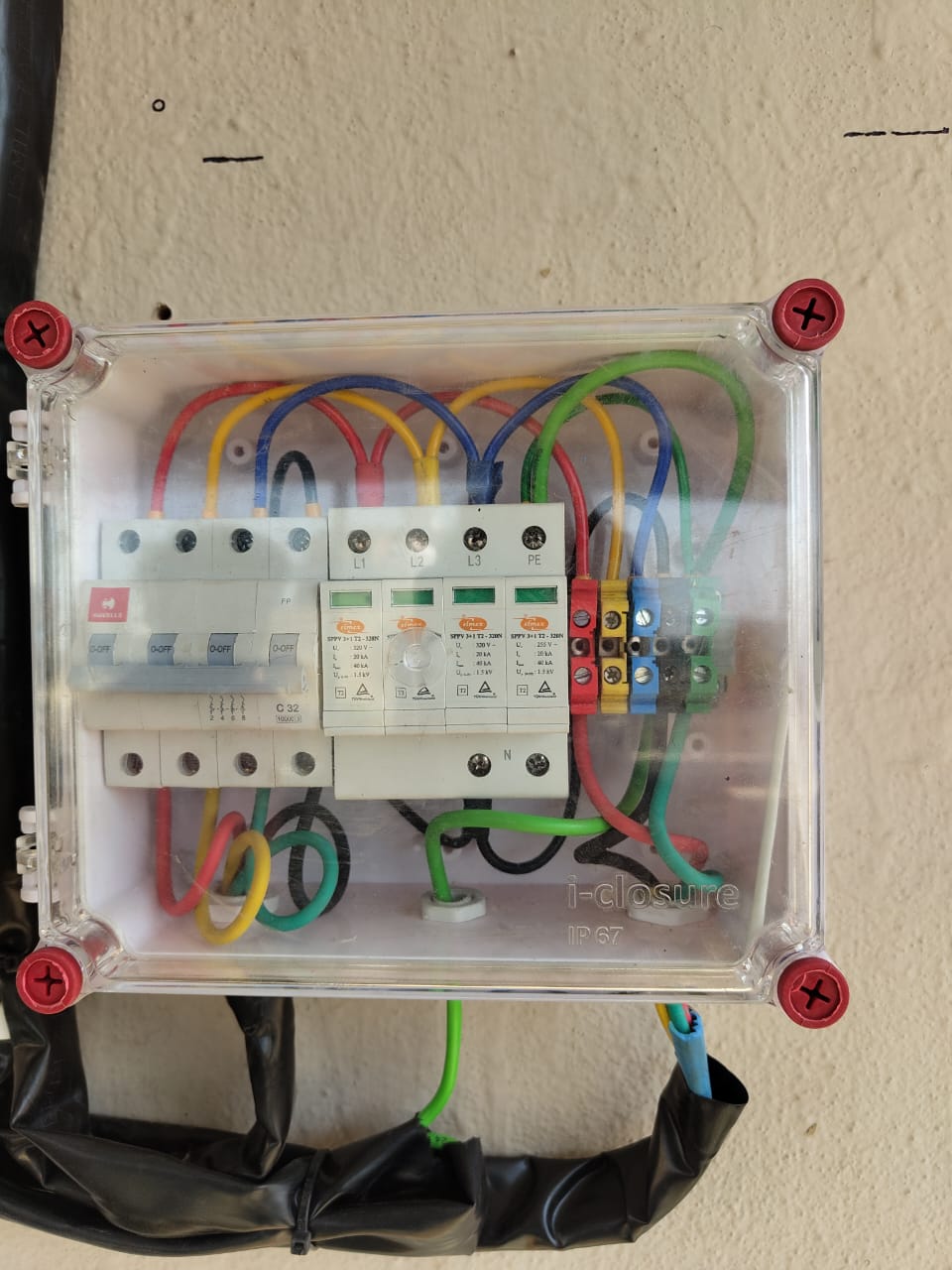
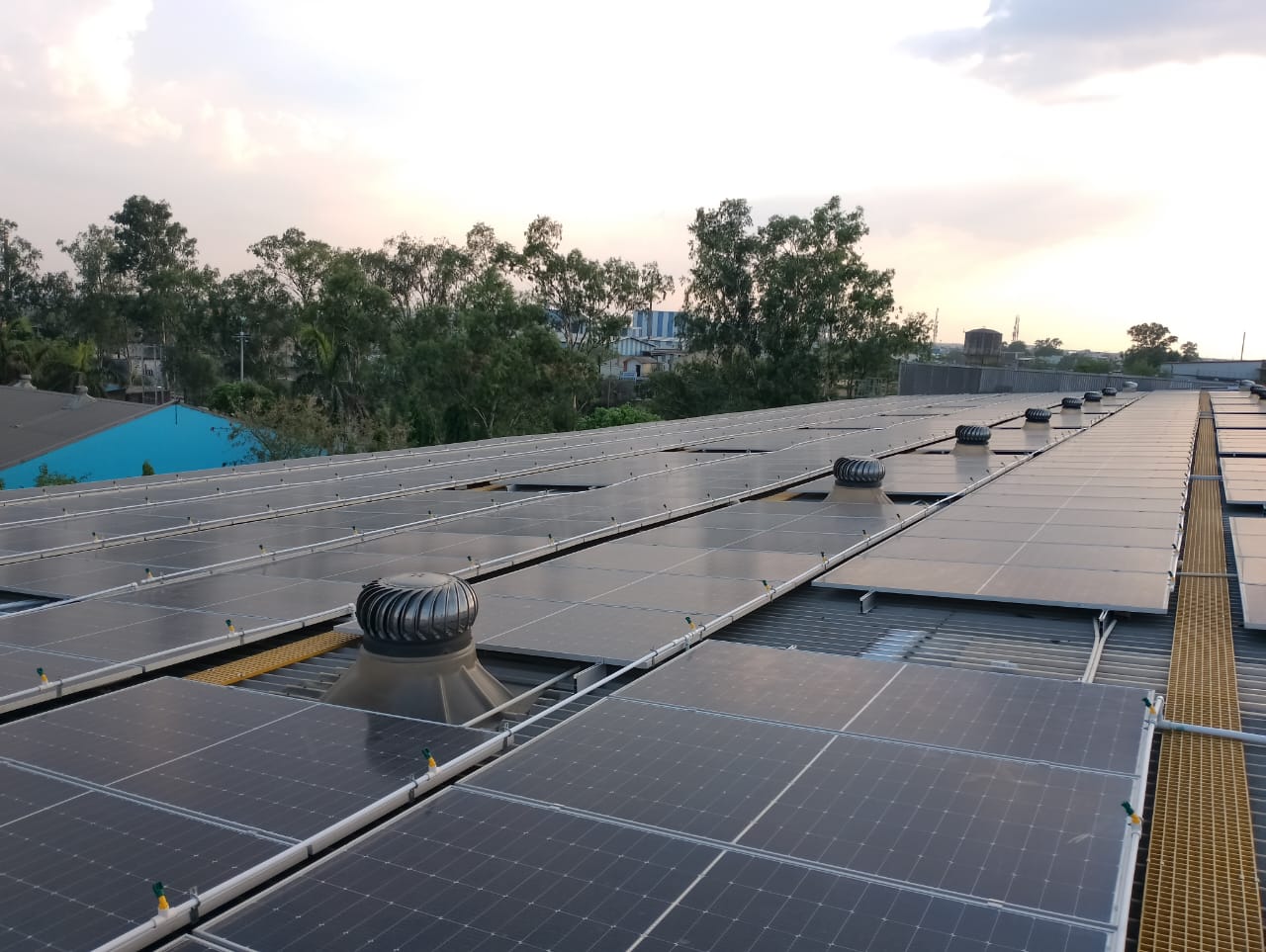
Our Projects Gallery

See our commitment to quality and innovation in action.
Project1

Image1

Project2

Image2

Project3

Image3

Project4

Image4

Project5

Image5

Project6

Image6

Project7

Image7

Submit Enquiry

Contact Information

Office: B-150, New Loha Mandi, Scheme No. 78 (Part-1), Dewas Naka, Indore (M.P.)- 452010

sales@sungridrenewables.com

marketing@sungridrenewables.com

+91-9589205731

+91-9893435150

Follow Us